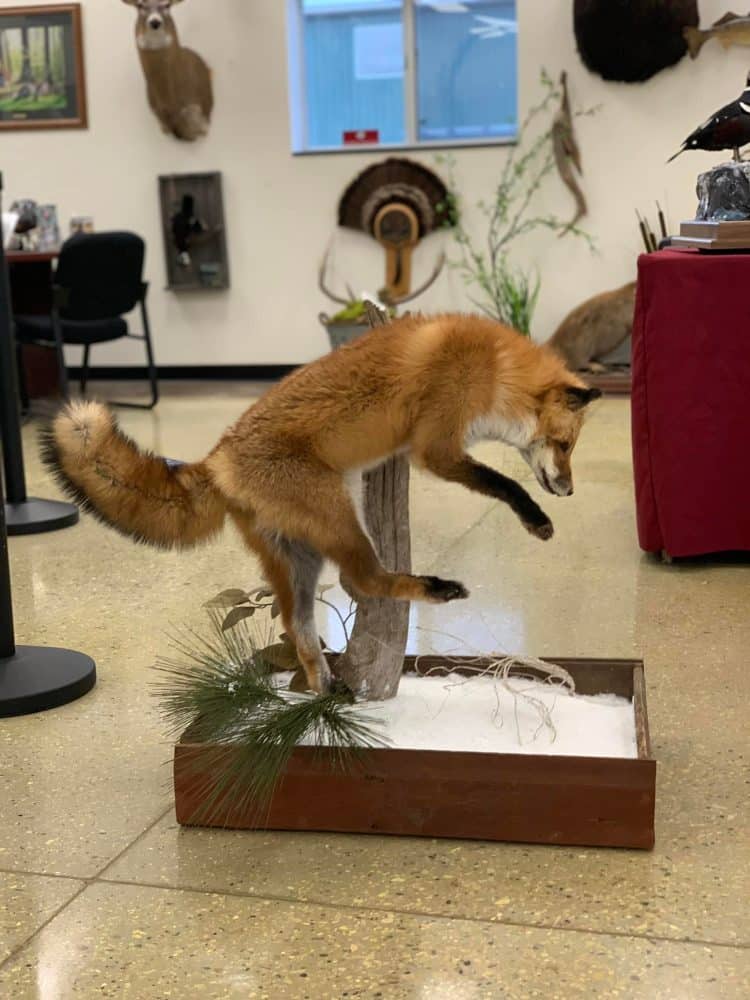
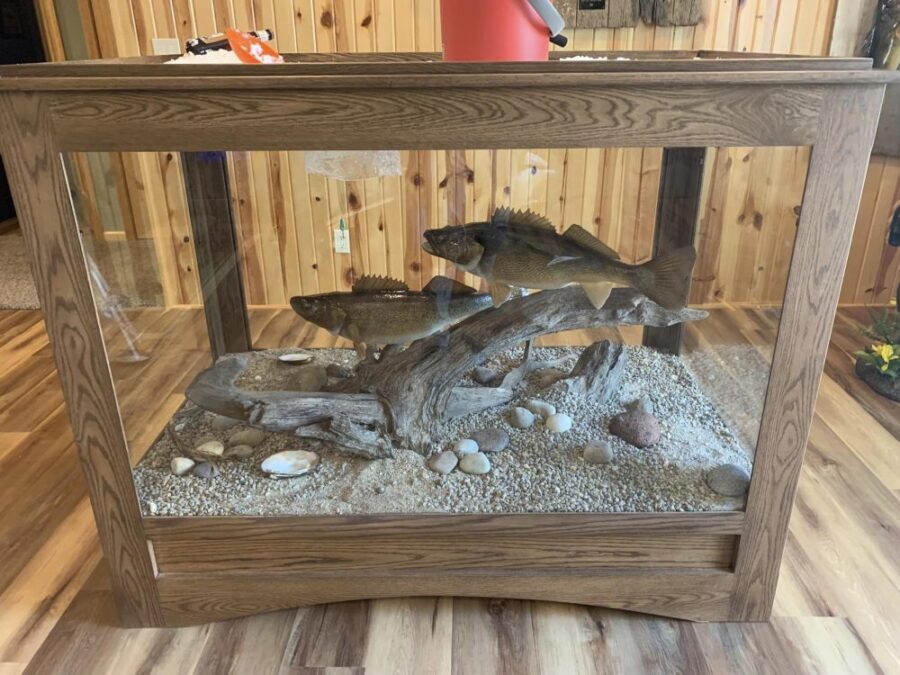
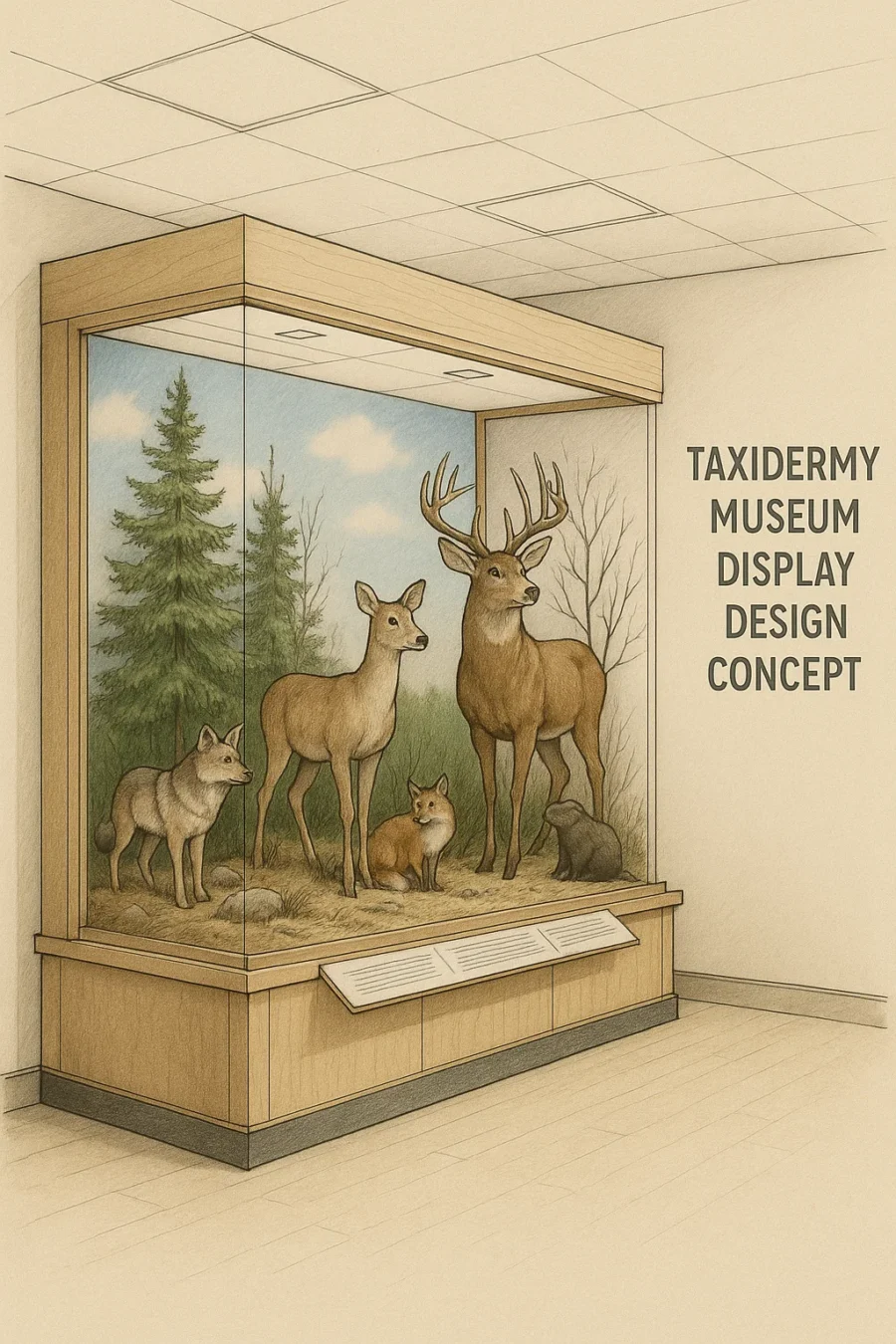
Museum taxidermy and exhibit work by Stehling’s: natural posing, lighting, habitat builds and institutional partnerships.
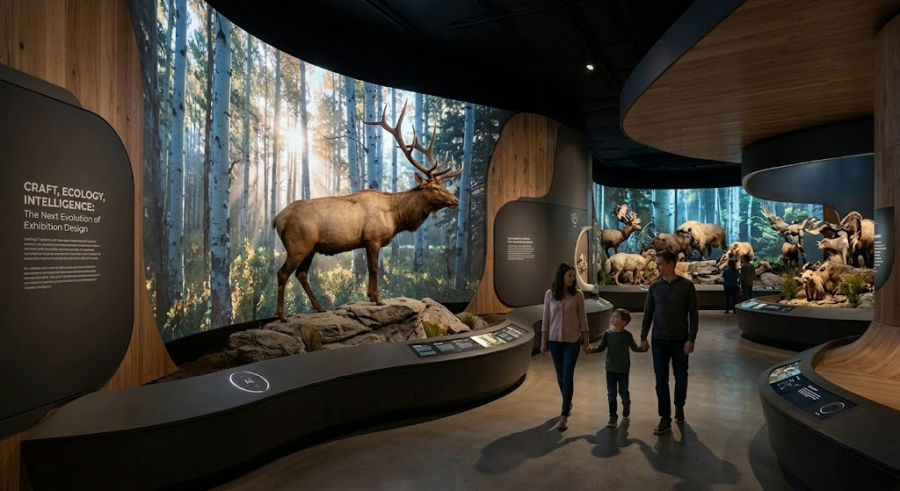
The Next Evolution of Exhibition Design Where Craft, Ecology, and Intelligent Systems Converge Stehling’s Taxidermy × Epic Journey Design A New Standard for Exhibits Exhibition design is changing. For decades, natural history displays and taxidermy installations followed a familiar model: objects were presented, information was delivered, and visitors were expected to observe. That model…
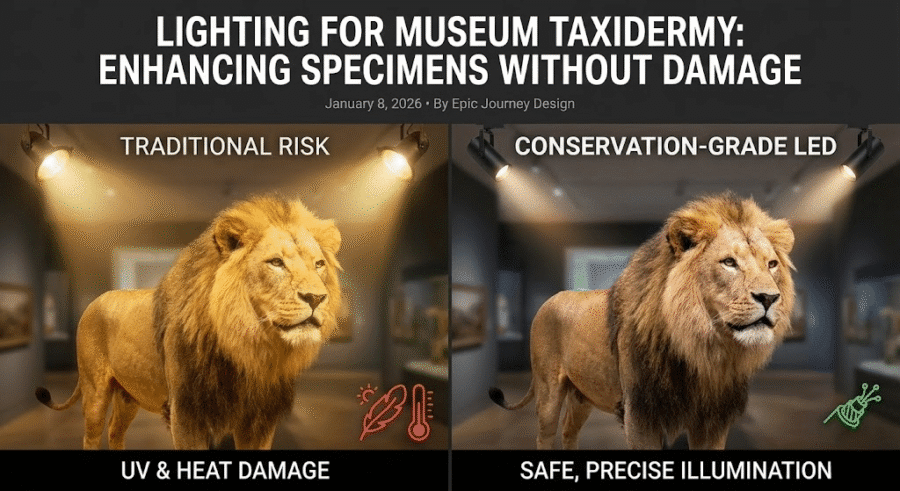
Lighting for Museum Taxidermy: Enhancing Specimens Without Causing Damage Lighting plays a critical role in how museum taxidermy is experienced by the public. Properly designed lighting brings out natural coloration, texture, and form—helping specimens feel lifelike and engaging. Improper lighting, however, can cause irreversible damage, leading to fading, drying, and deterioration that compromises…
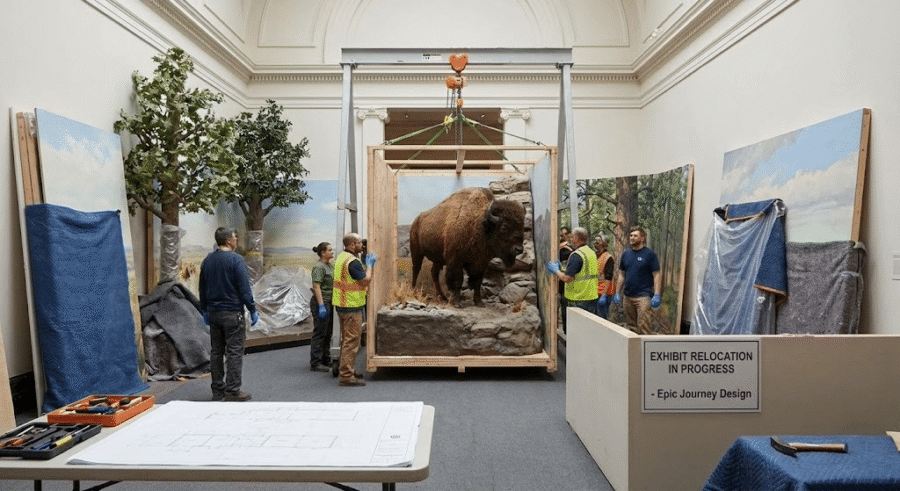
Relocating Wildlife Displays: Navigating the Complexities of Museum Exhibit Moves Relocating a wildlife display is far more complex than moving an exhibit case from one room to another. When museums renovate galleries, expand facilities, or reimagine visitor flow, existing wildlife exhibits—especially those containing taxidermy specimens—require careful planning, specialized handling, and deep technical knowledge. For…
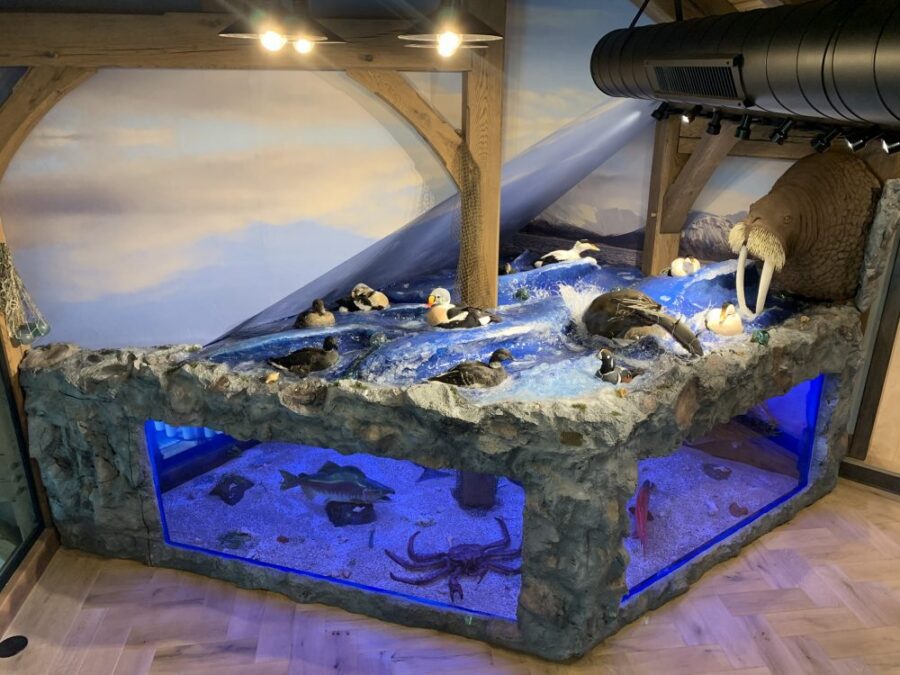
Taxidermy’s Role in Habitat Dioramas Integrating Specimens Seamlessly Within Immersive Habitat Environments Habitat dioramas are among the most powerful tools museums use to communicate the complexity of the natural world. When executed well, they allow visitors to experience ecosystems as cohesive, living environments rather than isolated displays. At the center of these environments is…
Why Natural Posing Matters in Museum Taxidermy How Anatomically Accurate and Behaviorally Authentic Specimens Enhance Educational Value Museum taxidermy plays a critical role in how visitors understand wildlife. Beyond preservation, taxidermy serves as a visual educational tool—one that communicates anatomy, behavior, and ecological context at a glance. Among the many factors that define museum-quality…
Designing Engaging Wildlife Exhibits for Museums Why High-Quality Taxidermy Is the Foundation of Immersive Exhibit Design Successful wildlife exhibits don’t begin with lighting or layout — they begin with the specimen itself. Museums striving to create engaging, educational, and immersive wildlife exhibits must start with accurate, lifelike taxidermy that serves as the visual and…
Custom Wildlife Displays & Habitat Builds for Retail and Hospitality When people step into an outdoor retailer, lodge, or resort, the atmosphere matters. A striking wildlife display — complete with lifelike mounts and immersive habitats — transforms a space from ordinary to unforgettable. These displays aren’t just decorations; they’re experiences that connect people to…
Preserving Wildlife for Education: Stehling’s Taxidermy and Our Work with Museums & Zoos When most people think of taxidermy, they picture a hunter’s trophy mount displayed in a home or lodge. While that’s a big part of what we do, it’s far from the whole story. At Stehling’s Taxidermy, our work also extends…