
Trophy Room Design & Wildlife Display Planning
Most trophy rooms are not designed. They are accumulated, one mount at a time over twenty seasons, hung wherever there was wall left. We plan the room instead: where each mount sits, what it sits on, which animals group together, how the light falls, and what happens when you come back from the next hunt with two more.
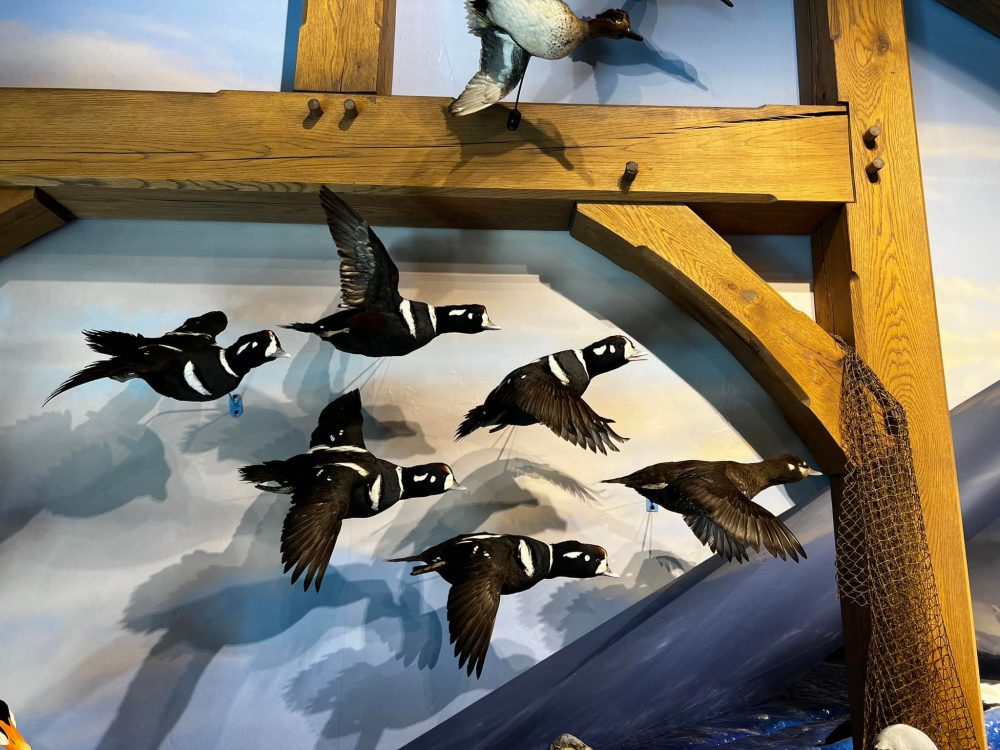
Trophy room design is not decorating
It is a technical problem with an artistic answer. A full-body elk needs a specific ceiling height and a specific approach angle. A cape buffalo pedestal weighs what it weighs, and that load has to land on something. Two shoulder mounts facing each other read as confrontation; the same two turned slightly out read as calm. A wall of animals lit from the wrong side loses every bit of the detail you paid for.
We have been building mounts since 1978, and we know what they need because we know exactly how they are built. That is what we bring to a room: the animals, the habitat under them, and the plan that makes them work together.
Three places a trophy room project usually starts
Building or remodeling
The ideal time. If the walls are not closed up yet, lighting, anchoring for heavy mounts, and ceiling height for a life-size can all be handled properly the first time. Talk to us before the drywall goes up.
A room that has run out of wall
Whitetail collectors thirty years deep, western hunters with elk, mule deer, bear, and sheep sharing a room, anglers with a fish collection stuck in a hallway. An existing room is entirely workable; it means more measuring and more care moving what is already hung.
A collection arriving all at once
Safari hunters coming home with five, ten, or fifteen animals, or someone who has inherited a collection and does not know what they have or what condition it is in. We can inventory, assess, and plan from photographs.
Rooms and displays we have built
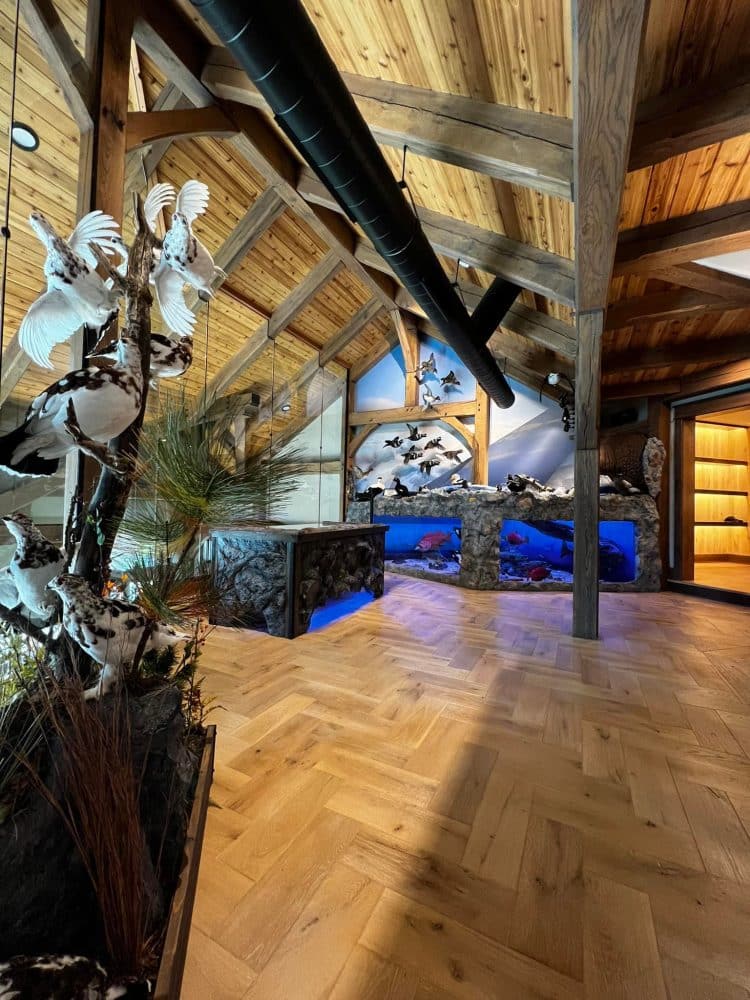
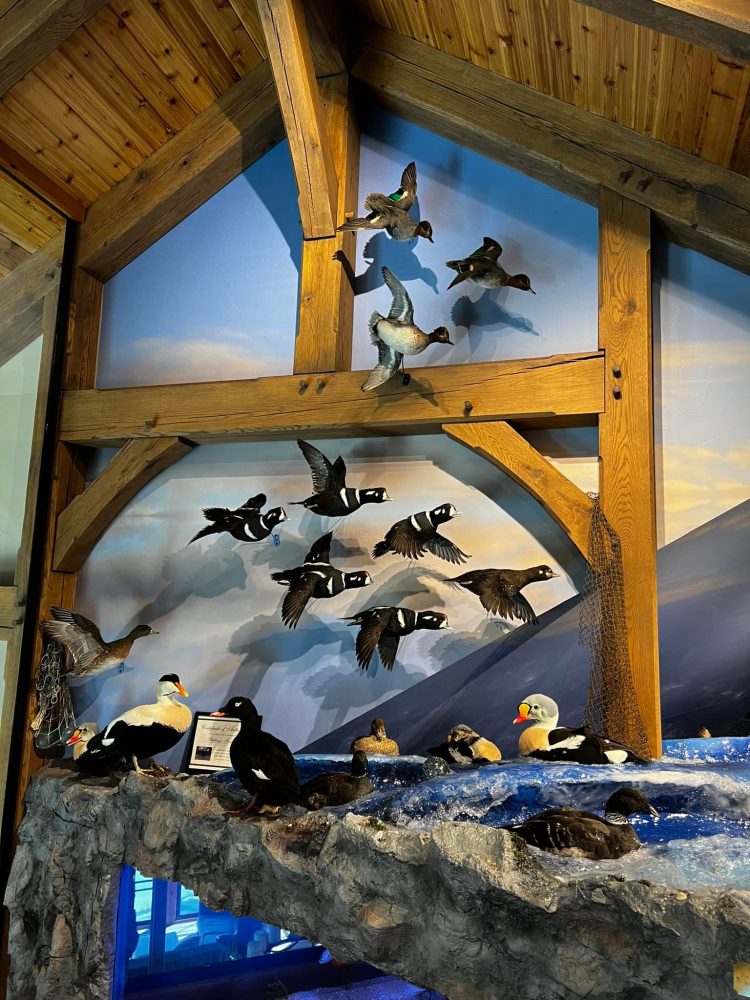
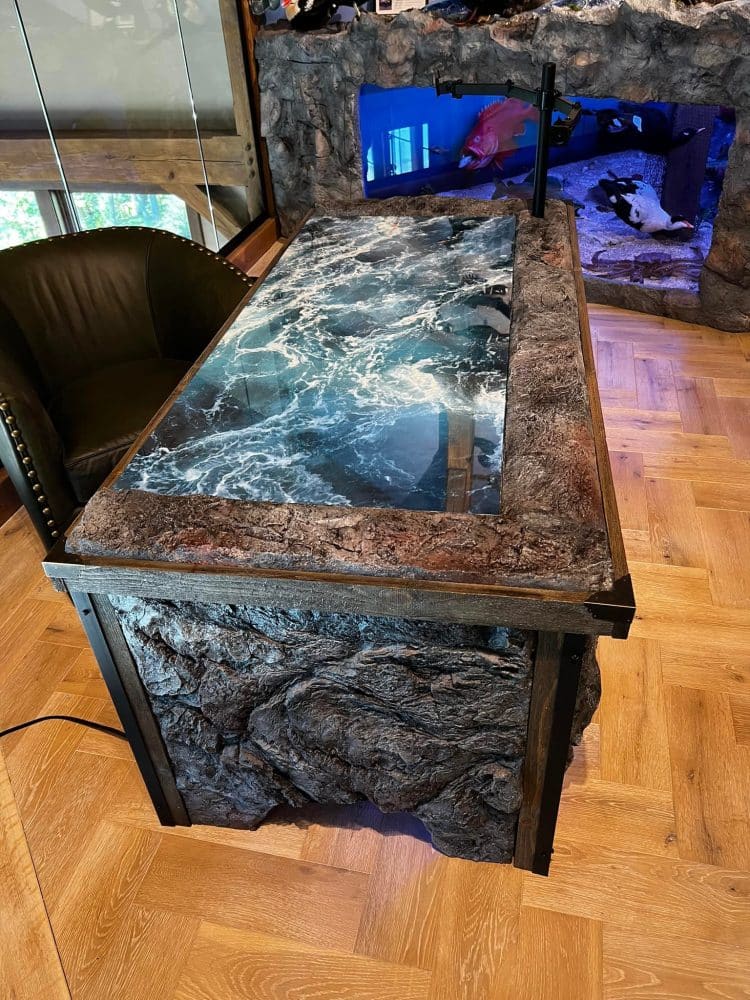
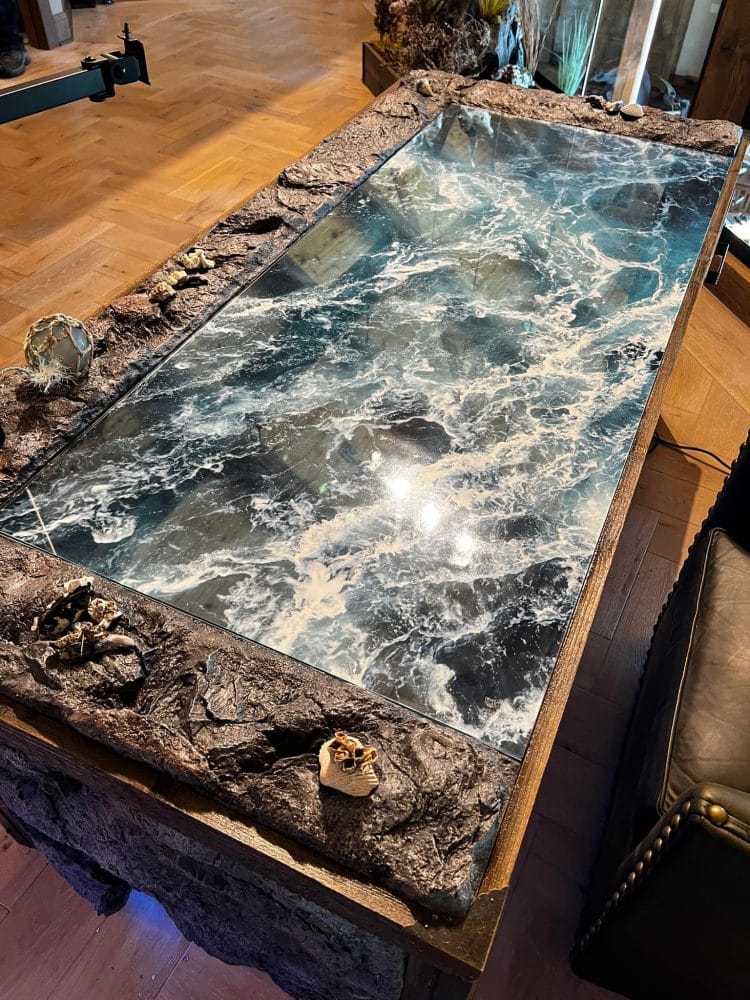

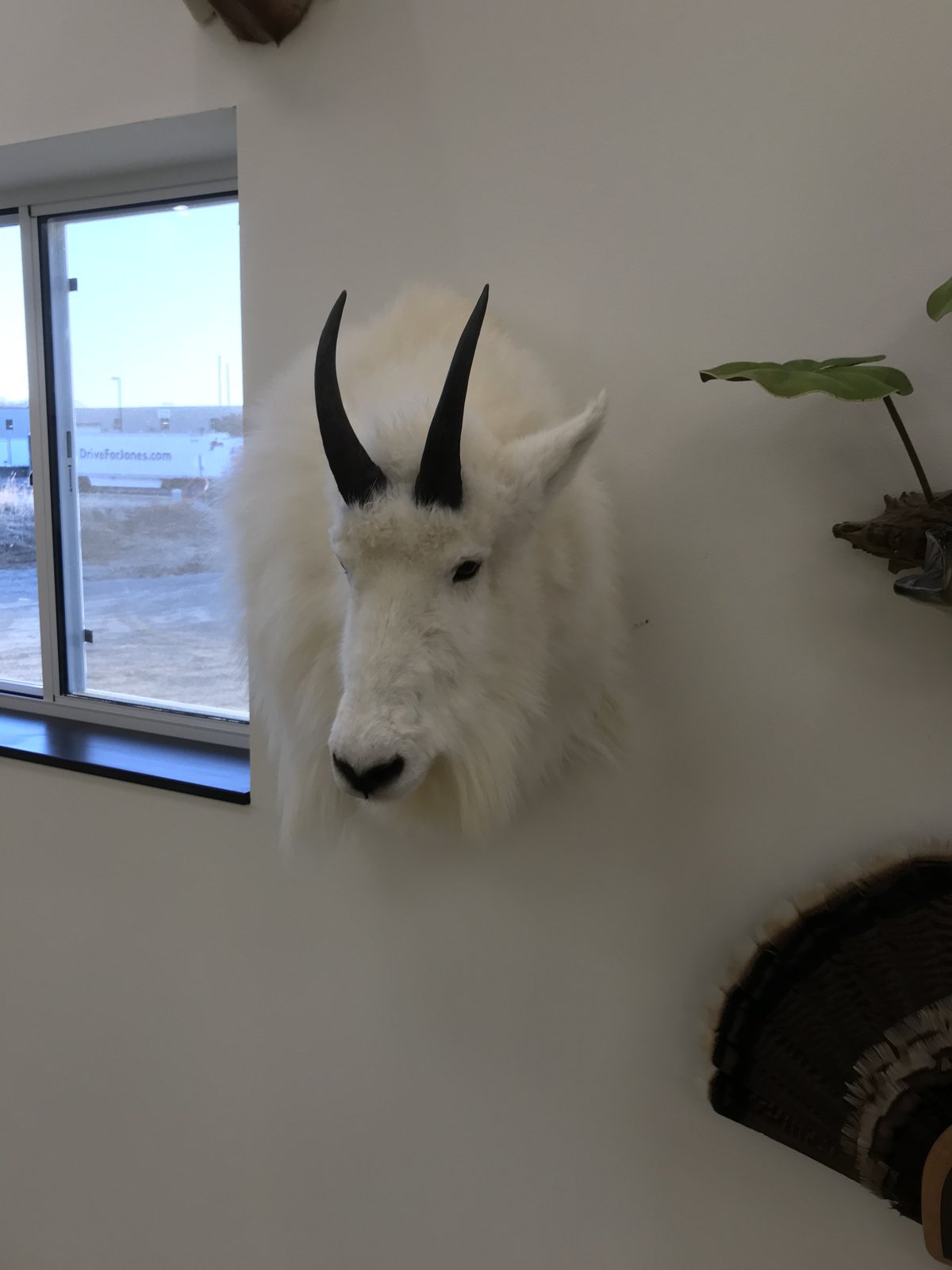
More finished pieces in our recent mounts gallery and water sculpture scenes.
Planning, building, and placing
Planning
- Room layout and sightlines
- Mount placement and grouping
- Which animals belong on pedestals versus walls
- Lighting placement and fixture recommendations
- Planning space for the animals you have not taken yet
Building
- Custom habitat bases and scenic groundwork
- Multi-animal and multi-species arrangements
- Custom wall panels and backboards
- Plaques and story elements
- New mounts to fill the plan, built in our Jefferson studio
Placing
- Wall loading and safe anchoring for heavy mounts
- Reorganizing and rehanging an existing collection
- Condition assessment and cleaning while the room is apart
- Help getting everything where it belongs; scope discussed per project and location
Coming back from Africa
A safari collection is the hardest trophy-room problem there is: many animals arriving at once, wildly different sizes, and a strong reason to group them by region or by hunt rather than scattering them across a wall. Plan it before you go, not after the crate lands. See African Safari Taxidermy & Trophy Planning.
Habitats and pedestals
A mount on a plain panel and the same mount on a custom habitat base are two different objects in a room. Habitat is what makes a collection read as a place rather than a wall of animals. See Custom Taxidermy Habitats.
From a pile of mounts to a plan
- Consultation. We talk through what you have, what is coming, and what the space is.
- Collection inventory. Every mount catalogued with species, mount type, and dimensions.
- Measurements and photographs of the room and of the collection.
- Concept plan. Layout, groupings, pedestal and habitat recommendations, and lighting notes.
- Fabrication. Any new mounts, habitats, pedestals, or panels the plan calls for, built in our Jefferson studio.
- Placement. We help get everything where it belongs. How much of that we do on site depends on the project and the location, and we will discuss it up front.
New construction or a remodel is the easiest version of this. If new mounts are part of the project, build our current production schedule into your timeline; current delivery times are on the pricing page.
What we need to start
- Photos of the room from each corner, plus the ceiling and the main wall
- Rough dimensions: wall lengths, ceiling height, door and window positions
- Photos of the collection, or a list of species and mount types if it is still in the field or in a crate
- What is coming: the hunts booked and the animals you hope to add
- Where you are in the build, if the room is new construction or a remodel
Individual mount pricing is on our pricing page. Habitats, pedestals, panels, and room work are quoted per project once we have seen the room and the collection.
Common questions
Do I need a finished room before I contact you?
No. Earlier is better. If you are building or remodeling, we would rather talk before the walls are closed up, so lighting and anchoring can be handled properly the first time.
Can you work with mounts that are not yours?
Yes. We regularly plan rooms around collections built by other taxidermists, and we can assess condition at the same time.
What if my collection is still growing?
That is the normal case, and it is a big part of why planning helps. We leave designed room for what is coming rather than filling every surface today.
Can you fix or clean the mounts I already have?
Yes. Cleaning, repair, and restoration are part of many trophy room projects. See Taxidermy Restoration & Repair.
What does trophy room design cost?
It depends on the size of the collection, how much new work the plan calls for, and how complex the habitats are. Send photos and dimensions and we will talk through realistic scope. Individual mount pricing is on our pricing page.
Do you install, or just plan?
Both are possible. Tell us what you need and we will discuss what makes sense for your project and location.
I inherited a collection and do not know where to start.
Start with photographs. Send what you have and we will help you work out what you are looking at and what condition it is in.
Plan your trophy room.
Send us photos of the room and the collection, along with rough dimensions, and we will tell you what is possible.