African Safari Taxidermy & Trophy Planning
The best time to call your taxidermist about an African hunt is before you get on the plane. We help you plan the collection, get the animals home through the right channels, and mount every one of them to a single standard in our Jefferson, Wisconsin studio.
Plan it first and it becomes a room
Most safari hunters come home with more animals than they have ever dealt with at once: a kudu, a gemsbok, an impala, a warthog, a zebra, and whatever the outfitter talked them into on day nine. Those animals arrive together, months later, in one crate. If nobody has thought about what they will become, they become six shoulder mounts on six walls, and the collection never quite adds up.
A twenty-minute conversation before the hunt changes that. We talk through which species are worth a pedestal or a life-size rather than a shoulder mount, how the animals will relate to each other as a group, what your space can hold (ceiling height matters more than people expect), field care that protects a cape in heat, and what to tell your outfitter and skinner before the first animal is down.
Three places a safari project usually starts
Booking or planning the hunt
The ideal time. Send us your outfitter, the country, rough dates, and a wish list. We will tell you what to ask the skinner for on each species so every animal comes home ready for the mount you actually want.
Home from Africa, crate on the way
Your trophies are dipped and packed in-country and a broker is clearing them. Talk to us now so we know what is coming, which animals need a certified tannery first, and how the collection will be laid out before the first form is ordered.
Adding to an existing collection
You already have African mounts and want the new animals to fit with them, or you want the whole room rethought. We can match style and finish to what you have, or plan a display that ties everything together.
Mounted in our Jefferson studio
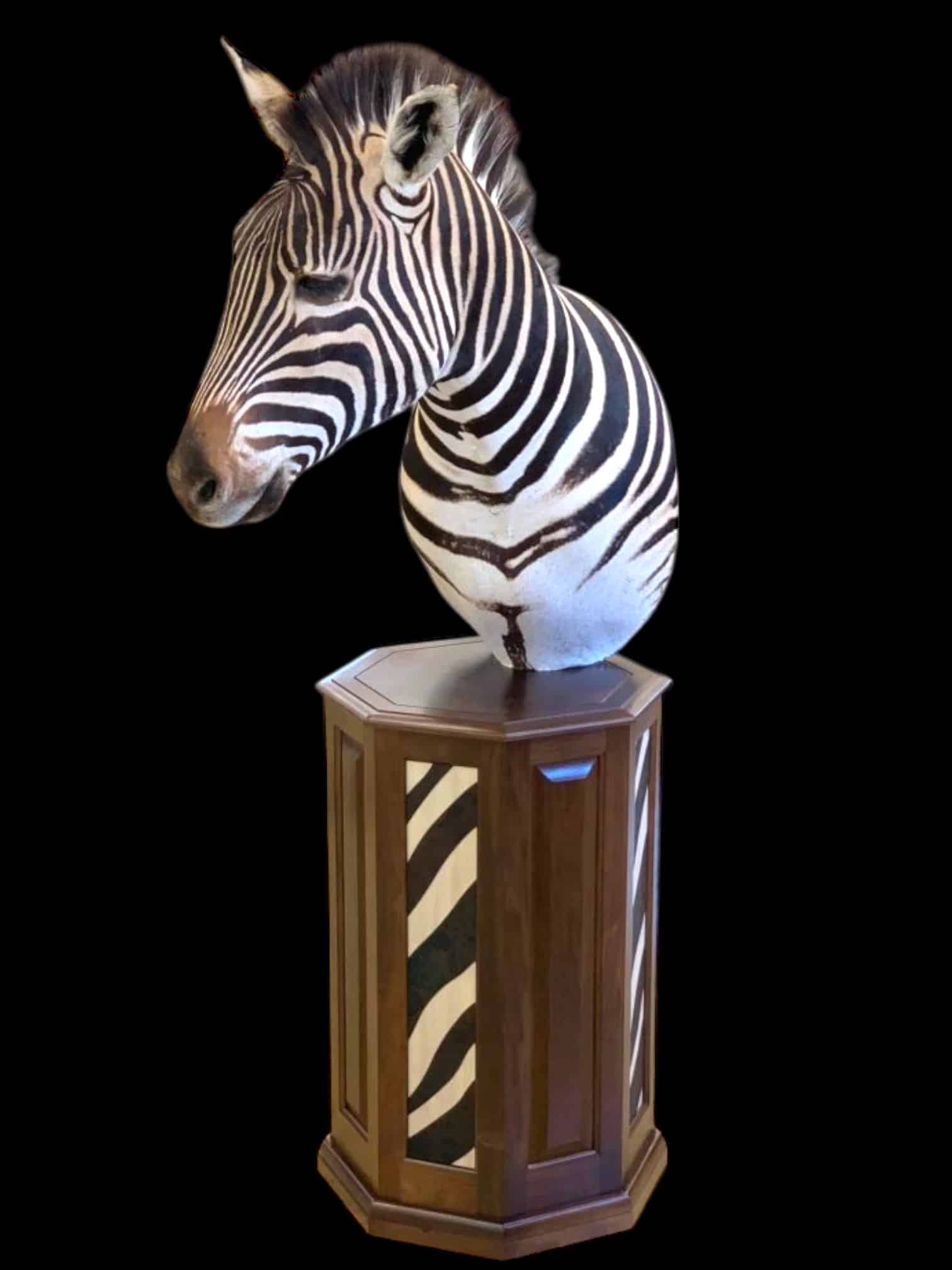

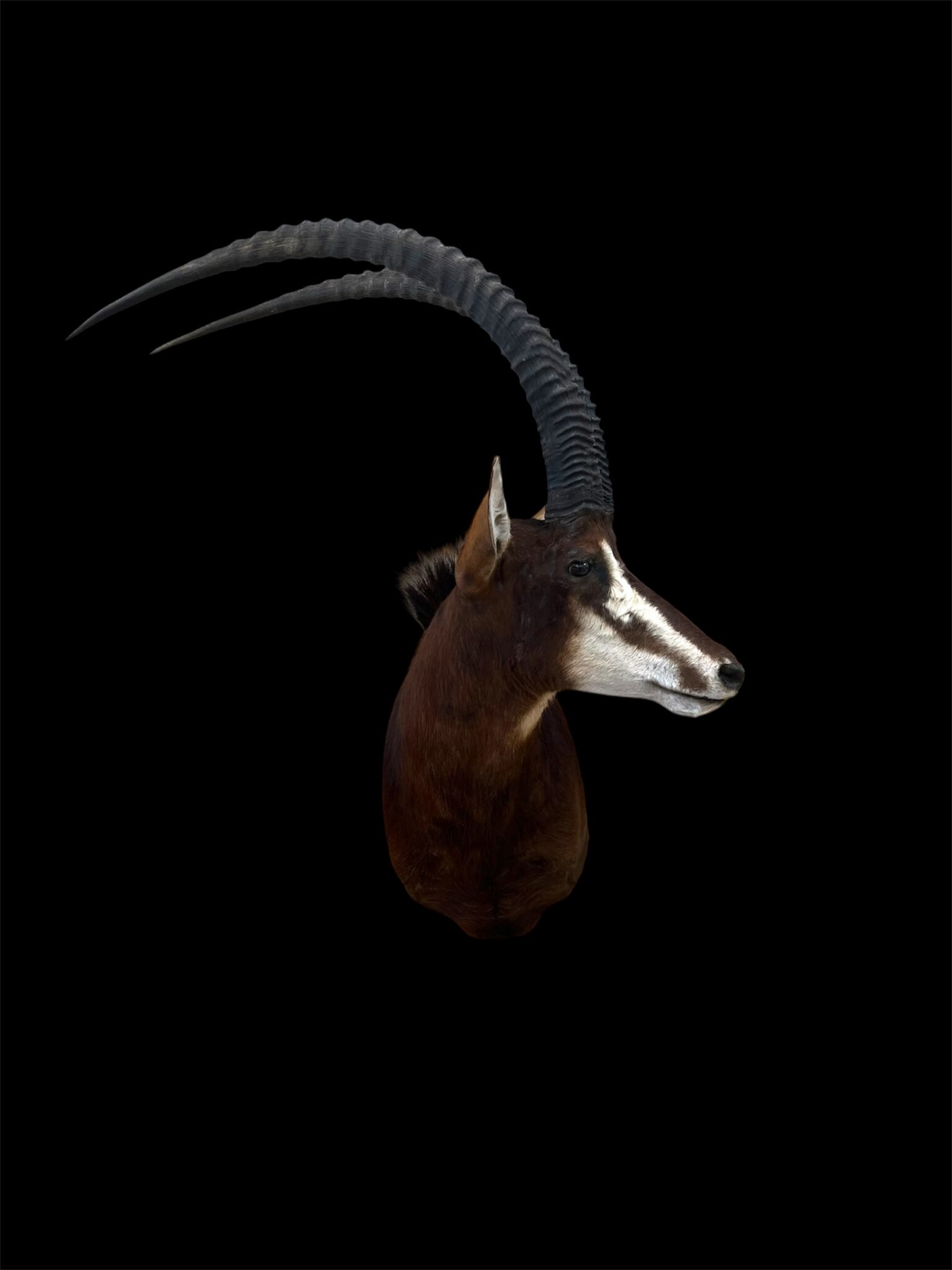
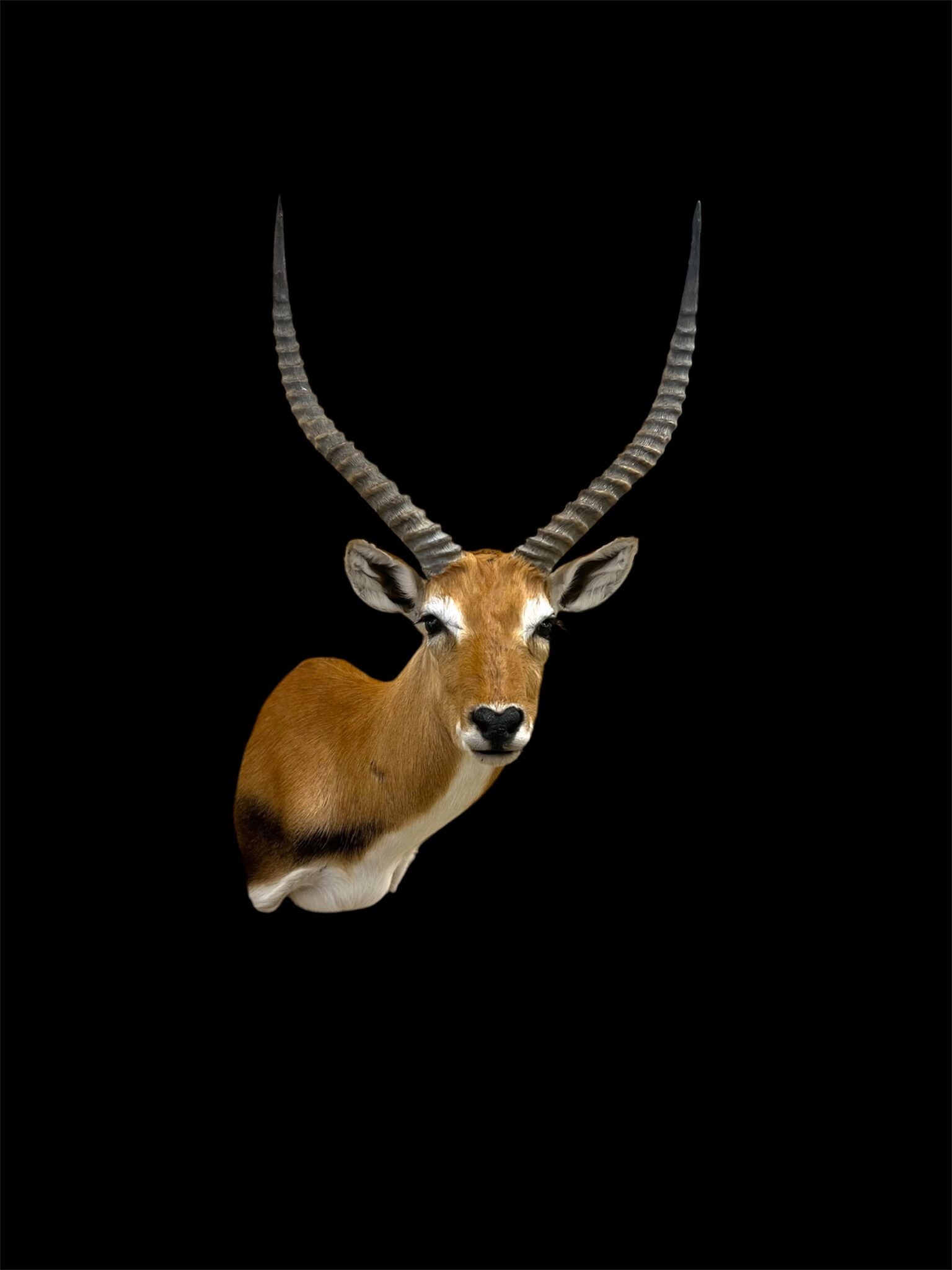
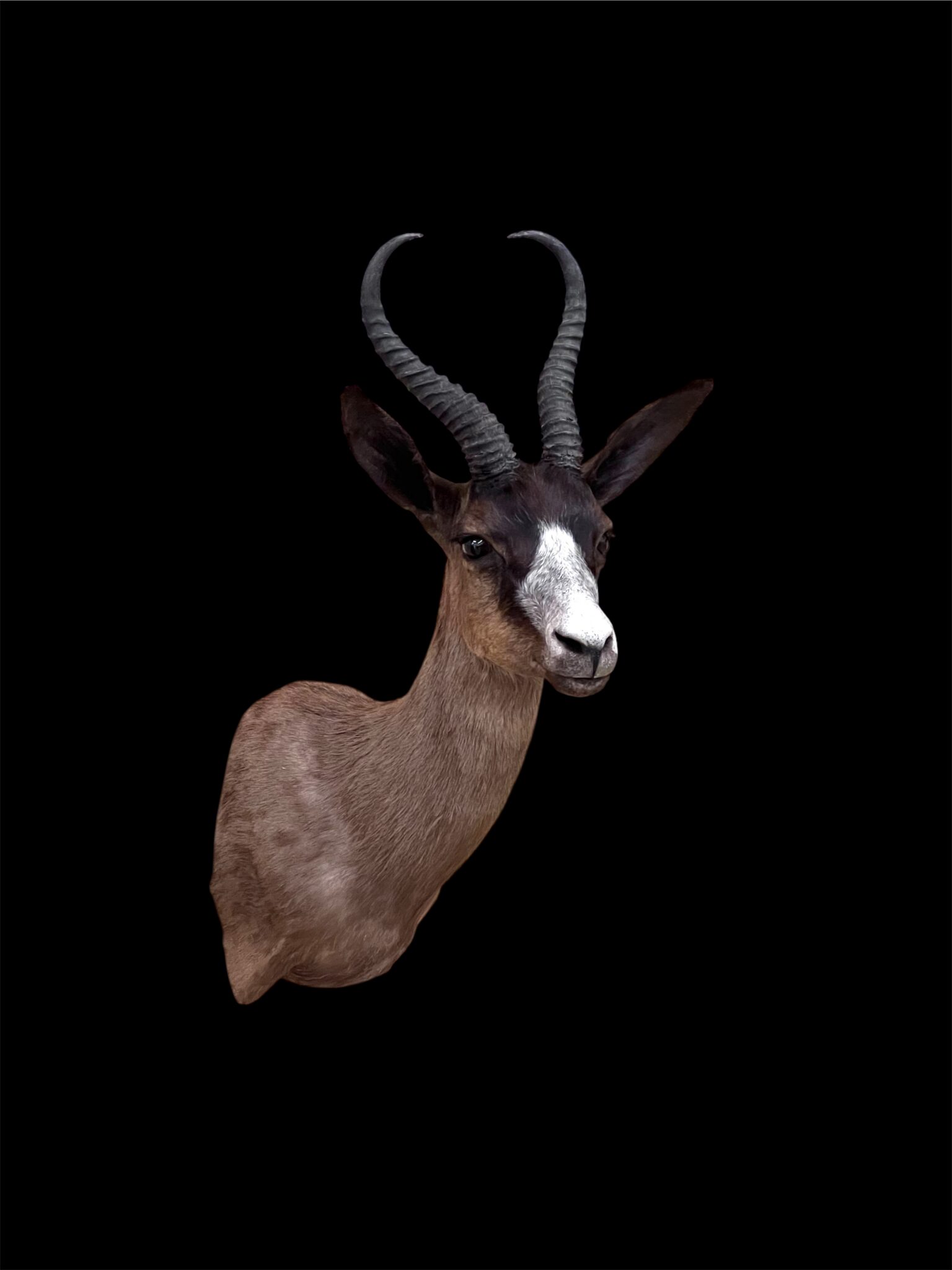
See the full African & exotic gallery, and more finished pieces in our recent mounts.
Where the value is
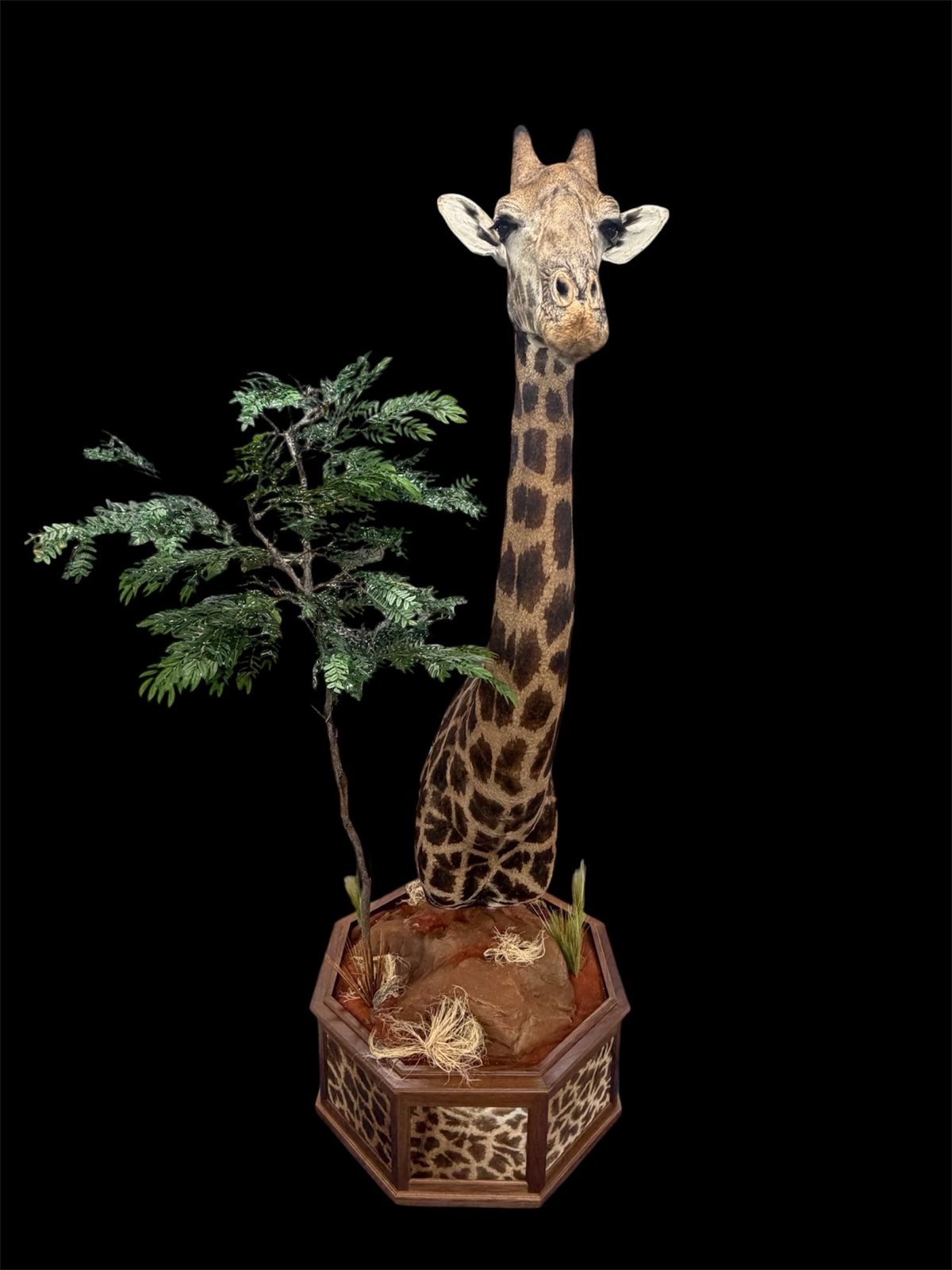
Every animal does not need the same treatment. A common and effective approach is one or two centerpiece animals on floor pedestals with real habitat, and the rest arranged around them. That is a better room than fifteen shoulder mounts hung at the same height. Options worth considering for African game:
- Shoulder mounts, still right for most plains game
- Wall pedestals, more presence for the animals you care most about
- Floor pedestals for cape buffalo, eland, kudu, the centerpiece animal
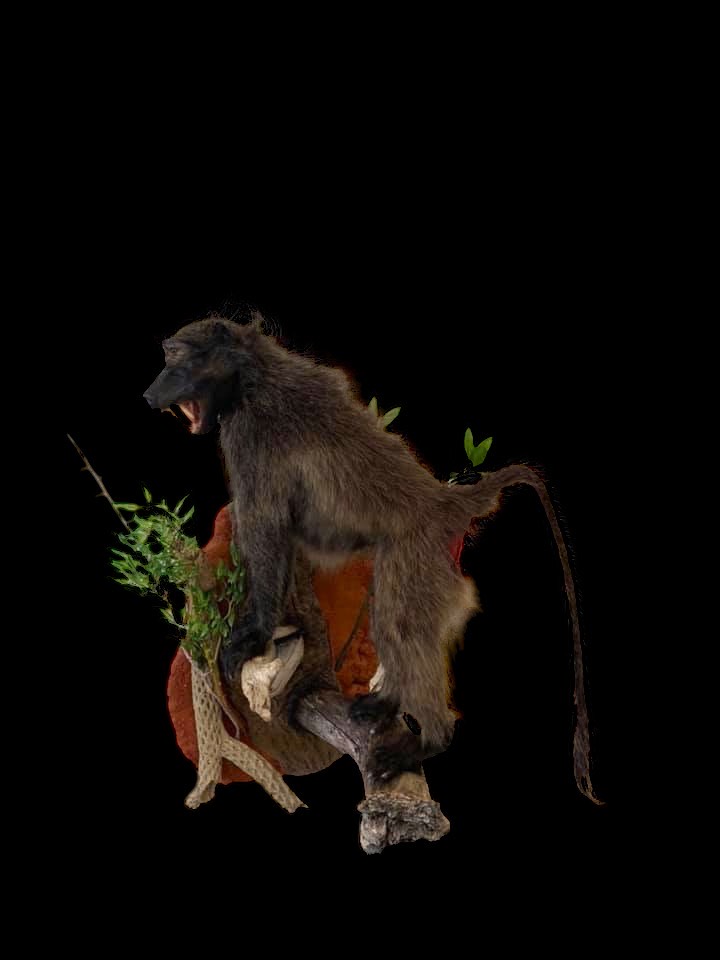
- Life-size for leopard, cheetah, warthog, baboon, and the smaller cats
- Multi-species pedestals, several animals on one habitat base
- Custom African habitat: thornbush, red soil, rock
- Backboards and panels where a cleaner wall presentation suits the room
- Full trophy room layout
African and exotic species are priced on our price list; pedestals, habitat, and room work are quoted per project. Related: Custom Taxidermy Habitats and Trophy Room Design.
Who does what, and where we fit
This is the part hunters find most confusing, so here is the plain version. Three parties handle an African collection between the field and the finished room.
- Your outfitter and the dip-and-pack facility. Trophies are prepared in-country: dipped, packed, and documented for export. Your outfitter usually arranges this or works with a dip-and-pack agent. Field care and skinning instructions matter most here, which is why we want to talk before you leave.
- A licensed import broker. The crate from Africa to U.S. customs is a broker’s job, including the permits and inspections that apply to each species. We are not a customs broker. We work with several brokers regularly, can use ours or yours, and will tell you what we need and when.
- Our studio. Once the crate clears, it comes to our Jefferson, Wisconsin studio and the whole collection is mounted under Aaron and Austin Stehling to one standard, with the trophy room planned before the first form is ordered. One point of accountability for the finished work, without paying a taxidermist to do a broker’s job.
A note on USDA approval
Stehling’s is a USDA-approved import facility (W10015) for avian species. That approval covers eligible bird imports only; it does not cover other imported wildlife. Some species, including suids such as warthog and bushpig, must be processed through a USDA-certified tannery before they can come to us. We will tell you which of your animals that applies to and where they need to go first. If you are hunting birds internationally, contact us before the trip so our facility information is on your paperwork correctly. See USDA Import Services for Avian Species.
Once your crate is stateside, talk to us before it ships so we know what is coming and when. See Shipping to Us. For field care, skinning, and export paperwork in detail, read our Africa preparation and trophy care guide.
From wish list to finished room
- Pre-hunt conversation. Country, outfitter, dates, and the species you hope to take. We give you skinning and field-care notes for each one and a first look at how the collection could be displayed.
- While you are away. Keep the tags and paperwork with each animal and let your outfitter know which mounts you want, because it changes how the skinner cuts the cape.
- Import and arrival. Your broker clears the crate; animals that need a certified tannery go there first. We confirm what has arrived and finalize the mount list, pedestals, and habitat with a written quote.
- Mounting and delivery. The collection is mounted together in our Jefferson studio on our standard production schedule (see current delivery times on the pricing page), with shipping and clearance time on top of that. Pick up in Jefferson or at our New Franken showroom near Green Bay.
Paying for a safari collection
A collection of ten or twelve animals is a significant investment, and it arrives all at once. Our Easy 8 Payment Plan gives you four ways to pay over eight months: pay in full when you place the order, 50/50 (half at order, half within eight months), three installments, or eight equal monthly payments. Details are on the pricing page.
Common questions
When should I contact you about an African hunt?
Before you go. Even a short conversation changes what you tell your skinner and what you come home with, and it lets us plan the collection instead of reacting to a crate.
Should I mount in Africa or in the United States?
There are real tradeoffs in cost, shipping, quality control, and turnaround. We would rather walk you through them for your specific list than give a one-line answer. Our Africa guide covers it in more detail.
How long does an African collection take?
Multiple animals ordered together run on our standard production schedule; current delivery times are on the pricing page. Add shipping and customs clearance time on top of that.
Do you handle the import paperwork?
We coordinate with brokers and hold a USDA-approved import facility designation for avian species (W10015). We are not a customs broker, and our USDA approval does not extend to non-avian wildlife. Species that require a USDA-certified tannery go there before they come to us, and we will point you to the right facility.
Can you design the room too?
Yes, and it is often the best part of an African project. See Trophy Room Design.
I am going on my first safari and I am overwhelmed.
That is the normal state. Get in touch with whatever you know so far. You do not need a species list to start the conversation.
Request a safari consultation.
Tell us where you are hunting, roughly when, and what you hope to take. We will help you plan the collection before the first animal is down.