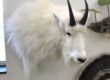


The mount starts the moment you pull the trigger
A caribou hunt is often the trip of a lifetime. You’ve saved for it, traveled for it, and earned it the hard way, miles from the nearest road. But here’s the truth most first-time caribou hunters learn too late: the quality of your finished mount is decided in the field, not in our studio. By the time a cape reaches our bench, the most important work is already done, for better or worse.
Caribou are one of the least forgiving animals we mount. Their capes are thin-skinned and the hair slips easily when it gets warm, which means a beautiful bull can be ruined in a matter of hours if it isn’t handled correctly. The good news is that protecting your trophy isn’t complicated. It just takes knowing what to do before you go. This guide walks you through it, step by step.
Quick Answer
To protect a caribou for taxidermy, cool the cape as fast as possible, keep it dry, leave plenty of hide behind the front shoulders, cape carefully around the white mane, and freeze it as soon as you can. Bacterial hair slip from heat is the number-one cause of ruined caribou mounts, so speed matters. When in doubt, call your taxidermist before the hunt to plan your cape, mount style, and how to ship it home.
Before you leave: make a plan
The single best thing you can do is decide on your mount before the hunt, not after. Knowing whether you want a pedestal mount, a turned-head shoulder mount, or a full-body display changes how much cape you need to leave, and there is no way to add cape back once it’s cut too short. When in doubt, leave far more than you think you need. We can always trim; we can never add.
If you’re hunting with an outfitter, ask ahead of time how they handle capes and antlers, whether they have freezing capability in camp, and how gear gets transported out. Outfitters vary widely, and a quick conversation now prevents heartbreak later. It’s also worth calling us before you go so we can talk through your specific hunt, your travel logistics, and how to get the cape home. That call is free and it has saved a lot of mounts.
In the field: the three enemies
Everything about caribou field care comes down to fighting three things: heat, moisture, and time.
Heat is the big one. Bacterial hair slip, where the hair loosens and falls out in patches, is the number-one cause of ruined caribou mounts, and it’s driven by warmth. Get the cape cooled down as fast as possible. Get the hide off the animal, out of the sun, and into moving air or cold as quickly as you can manage.
Moisture is the second enemy. A wet cape spoils faster and invites bacteria, so keep the hide as dry as you can and never seal a warm, damp cape inside a plastic bag, which turns it into a bacterial incubator. Let it cool and dry first.
Time ties the other two together. Every hour matters. What you can get away with on a cold, late-season Wisconsin whitetail you cannot get away with on a caribou cape in September sun.
Caping: leave more than you think
When you cape your bull, err heavily on the side of leaving too much. Make your cut well back behind the front shoulders, ideally around the last rib, so we have plenty of hide to work with for a shoulder or pedestal mount. Cape carefully around the mane and brisket, which carry the caribou’s distinctive white coloring that makes the mount so dramatic, and take your time around the face if you’re skinning that far. If you’re not fully confident caping out the head, it’s often safer to leave the skinning of the face, ears, lips, and eyes to us and simply get the whole cape cooled and preserved.
One field mistake that quietly ruins capes: dragging the animal on its hide. Protect the cape side, and don’t let it sit hair-down in blood or mud.
Preserving the cape until it reaches us
Once the cape is off and cooled, your goal is simple: get it frozen as soon as possible. Freezing is the most reliable way for a hunter to stop hair slip in its tracks, and a properly frozen cape can wait safely until it reaches us. Roll or fold it hair-in, keep it clean, and freeze it solid.
If you’re in a remote camp without power, this is where salting or working with your outfitter becomes important, and it’s exactly the kind of situation worth calling us about before your trip so you have a plan that fits your specific hunt. Salting done correctly can preserve a cape in the field, but done incorrectly it causes its own problems, so we’d rather talk you through your options than have you guess.
Antlers, measurements, and the little things
Caribou antlers are the showpiece, so protect them too. Keep the skull plate intact and attached if you can, protect the tips in transit, and if any points break, save every piece because they can often be repaired. If you plan to enter your bull for scoring, remember most systems require a drying period before official measurements. A few quick phone photos of your bull in the field are also genuinely useful to us; they help us recreate a natural, accurate pose and capture the character of your specific animal.
Getting it home and to our studio
Every caribou mount we do is built in our Jefferson, Wisconsin studio, and once you’re back you can drop off your cape and antlers at either of our Wisconsin locations — our Jefferson studio in south-central Wisconsin or our New Franken showroom in the Green Bay area. If you’re shipping a frozen cape rather than dropping it off, please ship it to our Jefferson studio. Timing and packaging matter, so reach out and we’ll walk you through doing it safely.
Caribou work is part of our broader big game taxidermy, and if your northern adventure included more than one species, we handle moose, elk, and other big game as well.
Have questions before your hunt? Ask first, not after
The hunters who end up with the best caribou mounts are almost always the ones who called before they left. If you have a trip coming up, reach out through our contact page or give us a call. We’ll help you plan your cape, your mount style, and your logistics so that the trophy you worked so hard for comes back looking every bit as impressive as the day you took it.
Caribou Field Care FAQ
How soon do I need to freeze a caribou cape?
As soon as you possibly can. Caribou capes are thin-skinned and slip easily in warm weather, so cool the cape immediately after skinning, keep it dry, and get it frozen the same day if at all possible. The longer a cape stays warm, the higher the risk of bacterial hair slip, which is the most common cause of ruined caribou mounts.
How much cape should I leave for a shoulder or pedestal mount?
Leave far more than you think you need. Make your cut well back behind the front shoulders, roughly around the last rib. A taxidermist can always trim excess hide, but cape that has been cut too short cannot be added back, so err on the side of leaving too much.
Should I cape out the head myself?
Only if you are confident doing it. The face, ears, lips, and eyes are delicate and easy to damage. If you are not experienced, it is usually safer to leave the head skinning to your taxidermist and simply get the whole cape cooled and preserved. Talk to us before your hunt if you are unsure.
Can I salt a caribou cape in the field instead of freezing it?
Salting can preserve a cape when freezing is not possible, such as in a remote fly-in camp, but it must be done correctly or it can cause its own problems. If your hunt will keep you off the grid, contact us before you leave and we will walk you through the right approach for your specific situation.
What should I do with the antlers?
Keep the skull plate intact and attached if you can, protect the antler tips during transport, and save every piece if any points break, since they can often be repaired. If you plan to have your bull scored, remember that most systems require a drying period before official measurements.
Where do I send my caribou cape and antlers?
You can drop off your cape and antlers at either of our two Wisconsin locations: our Jefferson studio in south-central Wisconsin or our New Franken showroom in the Green Bay area. If you prefer to ship rather than drop off, please ship to our Jefferson studio. Either way, reach out first and we will help you package and time the shipment so it arrives safely.


If you would rather we handle it
Everything above is the field care we teach because it decides how good the finished mount looks. If you are within driving distance, bring the caribou cape and antlers to us whole and we will cape or prep it for free during open hours in Jefferson (Mon–Fri 8–5, Sat 9–12) or at our New Franken showroom near Green Bay (Tue and Thu 3–7). Out of state, freeze it and ship it to us. Stehling’s Taxidermy (taxidermyplanet.com) is a family-run studio in Jefferson, Wisconsin, in business since 1978, led by Aaron and Austin Stehling, who oversee every mount from drop-off to pickup.
See caribou mounts and pricing | Call or text (920) 650-7800